The How To as the Most Important Communications Revolution
For this last project, I decided that the How To text was the most important communications revolution in history.
Yes, you read that right. The “How To” concept is the most important revolution that we’ve looked at in this class, because it shows the distinctly human nature that comes from wanting to learn something, for the sake of learning it, and from wanting to explain how important something is.
How To: Appreciation for the Distribution of Knowledge
The "How To" book, and even the sheer concept of it at all, is the most important communications revolution because it shows humanity's desire to learn and to share knowledge with others.
Sources Cited
-
Digital Tools Post #3 — Medieval Medical Manuscript Analysis
-
Digital Tools Post #5 — Astrology, Medicine, and Medieval Knowledge
Script available below:
If you’ve ever googled a youtube tutorial to try to fix something, followed a recipe online, or simply tried to learn something new, you’re doing what hundreds of thousands of people before you have done, participating in one of the most important communications revolutions in history: the how-to guide.
Why is this one in particular the most important? Part of it comes from the origin of this type of writing. Knowledge used to be fragile, something that needed to be passed down through oral traditions or something like master to apprentice or parent to child. If this knowledge was not specifically passed down to the next group of individuals, it would disappear forever. This is not at all reliable or sustainable in any sense of practice, but especially for something like medicine, science, or artisanal craftsmanship.
This all changed when people began to write not just to showcase laws in the town square, preserve religion in dedicated ways, or to communicate with each other across great places, but to write to share knowledge and because they knew that their knowledge was precious. It became about improvement and learning, and that distinction is the one that matters.
Pamela H. Smith argues that the popularization of technical writing was revolutionary because it attempted to translate lived experience and practical skill into a written form that could be duplicated and distributed to others across the world. In other words, these texts preserved information, yes, but they also preserved human experience itself. That’s what makes this technology, no, revolution so important.
Is it the only revolution? No. This is when the intention is what shifted. For example, you have the roman tradition of public writing and epigraphy: inscriptions across everything that could be written into, that has stood the test of time. Their purpose was commemorative, political, and to make sure that the Roman influence was still spreading across their territories.
It was a sense of national identity. You could be on the furthest outstretches of the Roman lands, but this type of communication was a way that the public was an inscription designed to function as a monument in of itself, like Alison Cooley mentions in her article. Through this, Romans were telling their people, aiming a little also for the people that would succeed them, what was important, who was winning, and that type of writing was also an exercise of public authority.
When the Roman authority faded, the religious authorities is what ended up taking over.
There was a rise in the “religions of the book” where artisanal monks would spend their entire lifetime working on the preservation of and the beautification of important texts, like the bible. Christopher de Hamel discusses these intricate methods in his book, which we read an excerpt of in this class.
These religions focused on the unification of the religious doctrine, which although important, is not the main focus of something that is as important. Literacy was still not very high, and these books were never truly expected to be read by common people, as the language it was written in was not the vernacular in addition to the handwriting and text being the very act of the religious texts instead.
The knowledge here, though still being transferred to many people through the clergy, was fixed, and not open to interpretation.
You know what was open to interpretation? How-to books.
Some of these earliest examples are actually explorable on our class page, where we were given the task to look over an early medieval medical manuscript, to study and to be able to see what was important to the people of the time. In fact, as mentioned in my Digital Tools post, this was the foundation of modern astrology.
We actually got to see the evidence of that when we were transcribing these texts. I don’t know about y’all, but I used to think those astrology girls all over my TikTok were full of malarkey with the signs and the moon cycles. Now, though, I know that they actually have a foundation in medieval medicine, although it could still be malarkey. I guess some things might make sense though, like Taurases being stubborn… though that just may be my experience.
Alright, let’s discuss one final communication revolution in its relation to the foundation of knowledge sharing, which was the importance of the postal service. Yes, it revolutionized communication in a massive way. Governments could communicate with the people, businesses could expand, and families could stay connected more than ever before. That would not have been a possibility or even a desire without the change in the content of the communication itself.
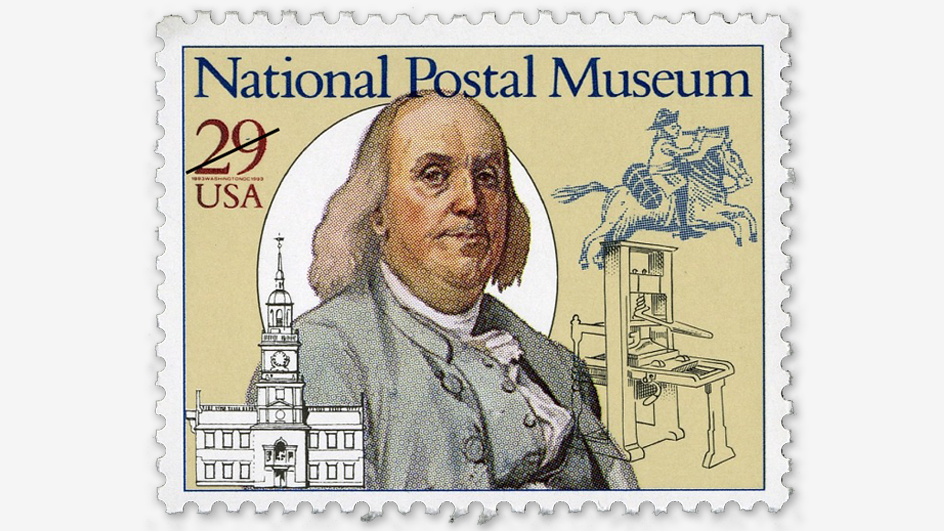
I think we’re a little used to this style of instant communication, so that we forget just how revolutionary that this was.
Information, or even how-to-books, could take months to pass from place to place, and there was almost a guarantee that this information could make it beyond the local community. We see this most specifically with the Republic of Letters, which allowed for a lot of philosophy to travel from more enlightened areas of somewhere like France to more remote corners of the world, like Russia. If you’re interested in reading more about Catherine the Great’s participation in that, check out my Digital Tools 5 post on the class page.
But, and this is the distinction that I want to make, this was a change in the method of communication, yet it built upon the ideas that were already in place with the thirst for finding the truth and for sharing our own ideas. We’re honestly still living in this type of communication age, but it has taken on a new life in the digital form.
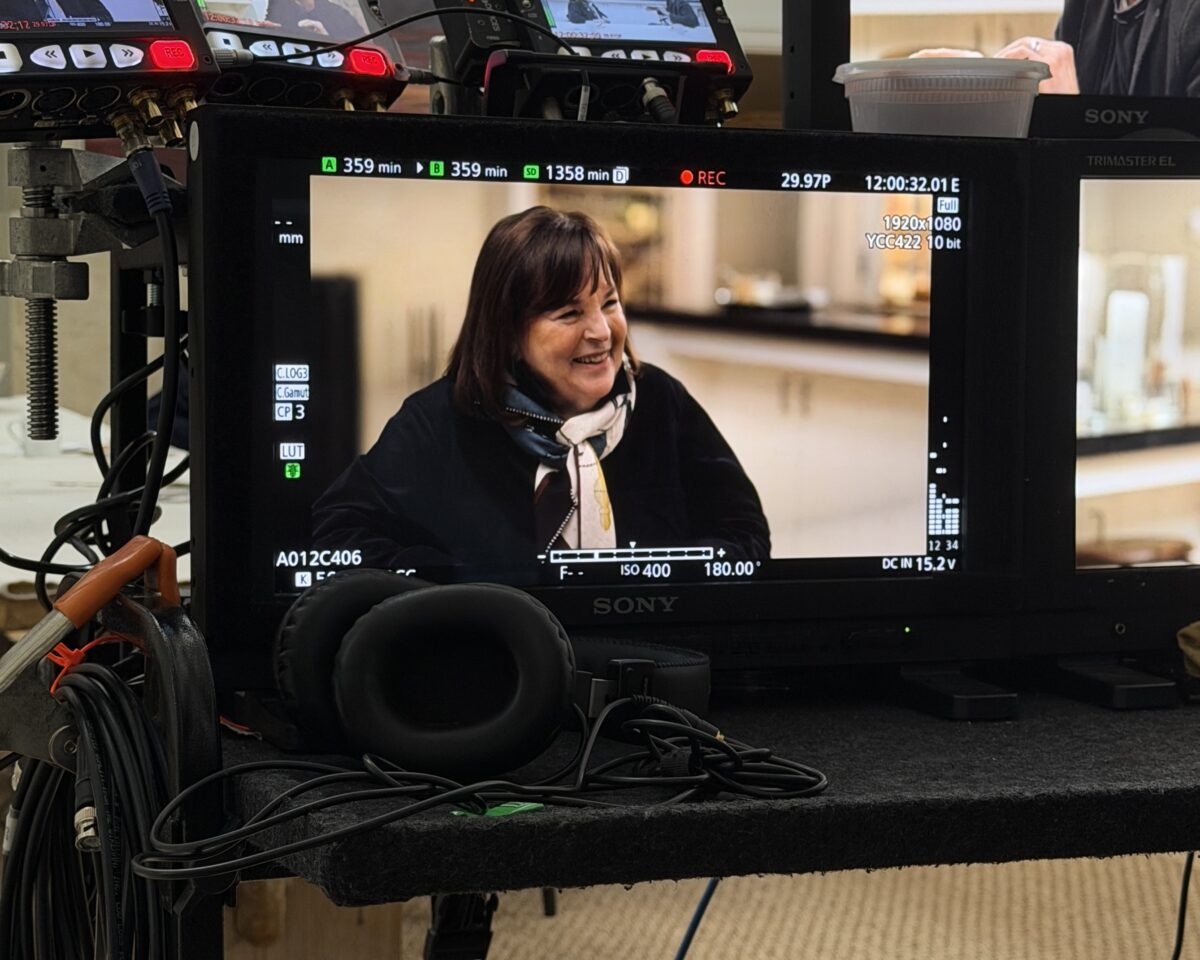
Let’s take the modern YouTube tutorial for example. I know there’s at least a hundred links in my search history from how to tie a tie, to how to install a light switch socket, to how to start my car when the battery in my key is dead which may or may not have happened last week. I mean, there’s a whole industry that’s built on teaching other people their specific skills and the answer to that is the Food Network.
Now, if you’ll excuse me, I’ve just remembered a pasta ariabiatta that I saw on an episode of Barefoot Contessa that I’ve been thinking of trying for several days, and I think now is the perfect time to participate in this communications revolution.