
Technologies of History Final
The Radio: The First Truly Equal Means of Communication
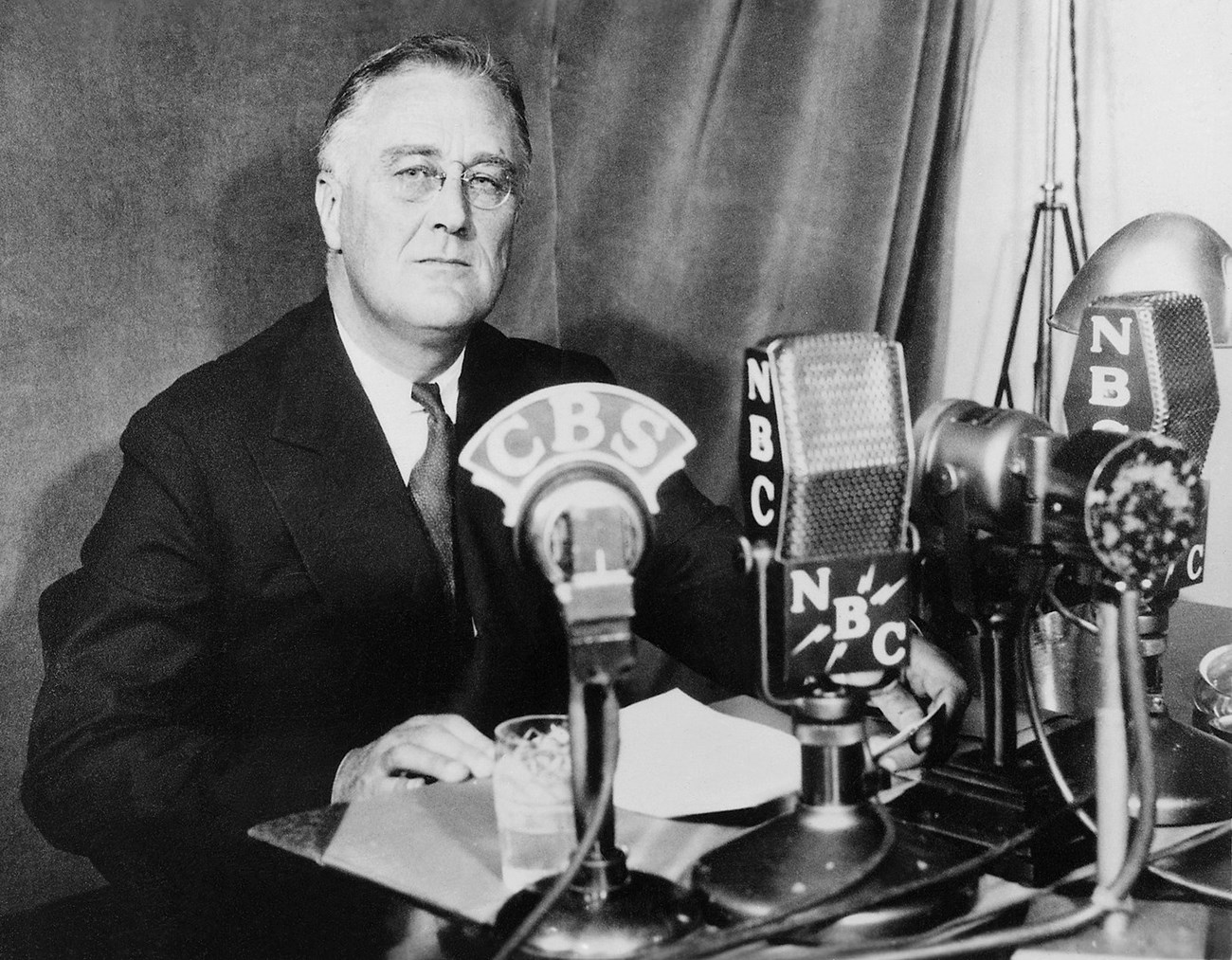
For my final podcast, I chose the invention of the radio as a superior communications revolution. Unlike its predecessors, the radio can be engaged with in a significantly more accessable manner when compared to the invention of the printing press, the republic of letters, and the rise of the newspaper. I hope you enjoy getting to hear my thoughts on how the radio forever changed the way in which we recieve information.
The Radio: The Great Equalizer of Communication
In this podcast, we compare the significance of the invention of radio to the printing press, the republic of letters, and the newspaper.
Sources cited:
Cytoscape via Digital Tools 4,
[Carol Pal, Republic of Women: Rethinking the Republic of Letters in the Seventeenth Century (Cambridge: Cambridge University Press, 2012), 1–21.(https://tcu.primo.exlibrisgroup.com/discovery/fulldisplay?context=L&vid=01TCU_INST:01TCU_INST&search_scope=MyInst_and_CI&tab=Everything&docid=alma990018472210208721),